
Field Operations
Intelligent Data Collection From the Field to the Office
Field Data Collection
SOFTWARE & APPS
 PCS Field Data Collector
 CartoPac Mobile
HARDWARE
 Archer 4 Handheld Data Collector
DATA COLLECTION ACCESSORIES
 Shop Online
Remote Monitoring
SOFTWARE & APPS
 Bullhorn Web
HARDWARE
SPECIALTY REMOTE MONITORS
REMOTE MONITORING ACCESSORIES
End-to-End Compliance
Critical Asset Integrity | Better Business Decisions
SOFTWARE & APPS
Asset Intelligence
Traceable, Verifiable & Complete
CORE PLATFORM
Cathodic Protection FIELD DATA COLLECTION
Learn About American Innovations Field Data Collection Solutions
Field Data Collection in the Pipeline Industry
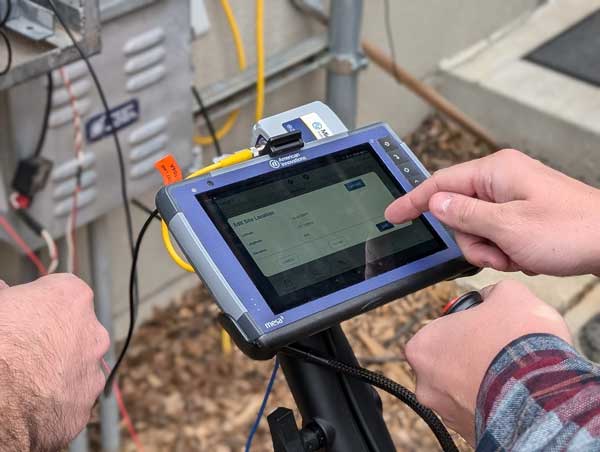
In the context of corrosion control and cathodic protection, this means capturing voltage readings, GPS coordinates, asset conditions, and photos directly from the field. That then moves to office-based systems for analysis, reporting, and long-term decision-making.
Who’s Responsible for Collecting Field Data?
Most companies now use a blended workforce model, with both internal and external crews using the same digital tools and workflows.
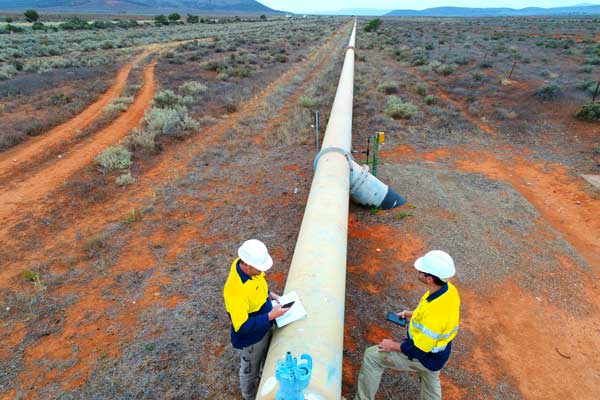
Types of Field Data Collected in Pipeline Integrity and Corrosion Management
Capturing voltage, current, resistance, and waveform data from test stations, rectifiers, and bonds
Documenting asset conditions, coating damage, or anomalies through visual inspection and photographic evidence
Gathering geospatial information, GPS coordinates, and identifying assets for long-term tracking
Keeping inspection records that meet industry standards and regulatory requirements such as The Pipeline and Hazardous Materials Safety Administration (PHMSA) regulations
Why Accurate Field Data Matters
In pipeline operations, field data quality is a compliance and safety issue, not just a technical one. Incomplete or inaccurate data can result in missed inspections, gaps in regulatory documentation, and increased exposure to environmental or safety risks. In serious cases, even a small logging error—like failing to record a test station inspection—can lead to regulatory penalties.
Reliable cathodic protection field data collection helps operators avoid these outcomes by ensuring:
- Inspections are performed and recorded on schedule
- Data is complete, standardized, and audit-ready
- Teams can take timely, informed action on emerging issues
Benefits of High-Quality Field Data
A strong data foundation does more than avoid compliance failures. It improves operational performance across the board:
- Increases inspection accuracy and consistency
- Reduces manual entry errors with digital validation
- Enables faster decision-making with real-time access
- Improves asset longevity through proactive maintenance
- Lowers long-term costs by minimizing rework and fines
Regulatory Requirements & Industry Standards
Field data collection is essential for meeting regulatory requirements such as PHMSA’s 49 CFR Parts 191 and 195, which mandate regular monitoring, testing, and documentation of pipeline conditions. Accurate records support audits, demonstrate compliance with cathodic protection intervals, and help avoid costly violations.
AMPP (formerly NACE) provides industry standards like SP0169 that define best practices for corrosion monitoring, CP testing, and data verification, which keep programs consistent and technical sound.
Aligning with both PHMSA regulations and AMPP standards helps operators reduce risk, streamline audits, and maintain long-term pipeline integrity.
The Digital Transformation of Field Data Collection
Field data collection in the pipeline industry used to be a fully manual process. Technicians carried analog voltmeters and clipboards, writing down readings by hand and later re-entering that information back at the office. It was slow, error-prone, and difficult to standardize across teams.
Today, most corrosion technicians rely on digital tools and mobile apps that streamline the entire workflow. These modern data collection methods allow teams to:
- Collect data faster and with greater accuracy
- Validate input in real-time
- Automatically store and sync information across teams
- Reduce audit risk by ensuring standardized, verifiable records
The shift to digital data collection has improved both efficiency and data quality — two key drivers in reducing compliance costs and improving asset reliability.
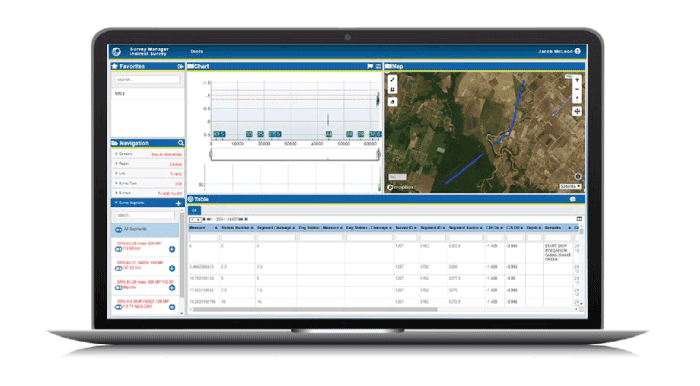
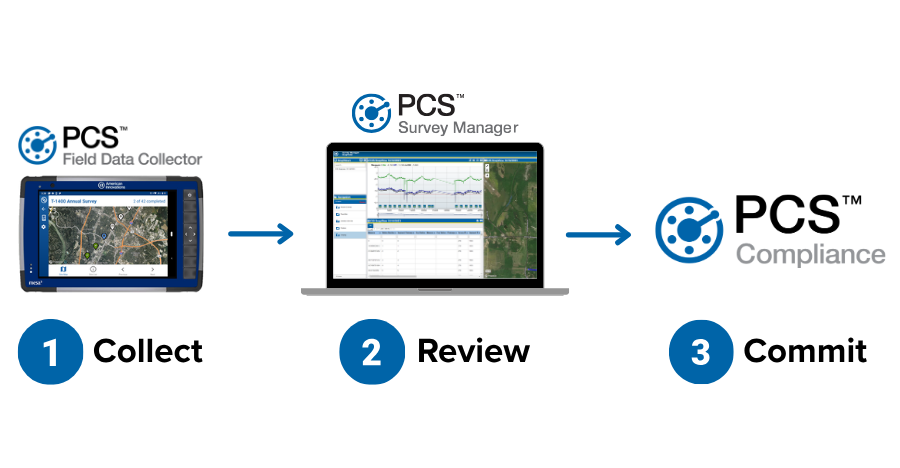
How Corrosion Field Data Moves from Collection to Compliance
A well-structured field-to-office workflow ensures that data collected in the field directly supports regulatory compliance, asset management, and informed decision-making. Here’s how the process typically unfolds in a modern corrosion control program:
- Plan — Create inspection schedules based on deadlines and asset priorities
- Execute — Use digital tools to collect voltage, GPS, and condition data
- Document — Log photos, notes, and findings in standardized forms
- Transfer — Automatically sync or securely upload to office systems
- Validate — Review for accuracy and regulatory alignment
- Report & Archive — Store verified records for audits, GIS, and long-term tracking
Commonly Used Field Data Collection Tools
Tools used vary by inspection type and operator preference, but may include:
- Digital voltmeters for cathodic protection readings
- GPS receivers for precise geolocation
- RFID scanners for asset identification
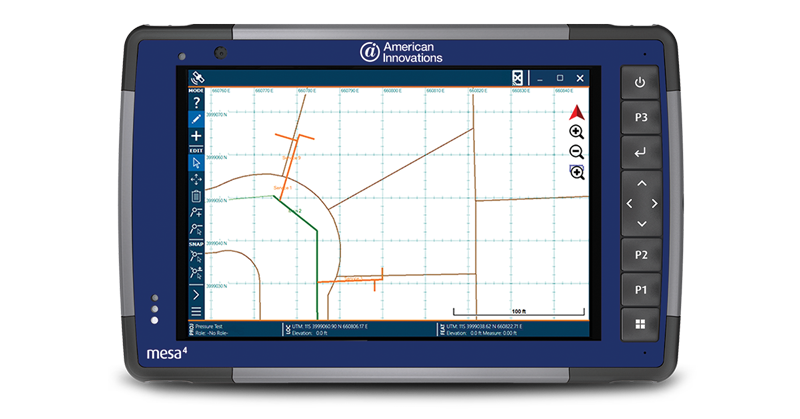
- Tablets and mobile apps for real-time data capture and validation
Future Trends in Field Data Collection
Across the industry, we’re seeing a shift toward smarter, more connected field operations—at a more affordable price. Here’s what’s ahead:
- Machine-learning assistance to flag anomalies or suggest follow-up actions
- Geospatial workflows that guide users and simplify route planning
- Lifecycle integration connecting field data to construction, maintenance, and compliance systems
- Cloud collaboration so office teams and field crews stay in sync
Some of these innovations are already in place; others are just gaining traction. But the trend is clear: better data, fewer delays, and stronger compliance outcomes.
Our Customers Say…
Ready to modernize your field operations? Get in touch with American Innovations.